· Highland Cattle Market Staff
How Much Does a Highland Cow Cost? 2026 Price Guide
Highland cow prices by age, sex, registry and frame size, plus the ongoing costs most first-time buyers forget to budget for.
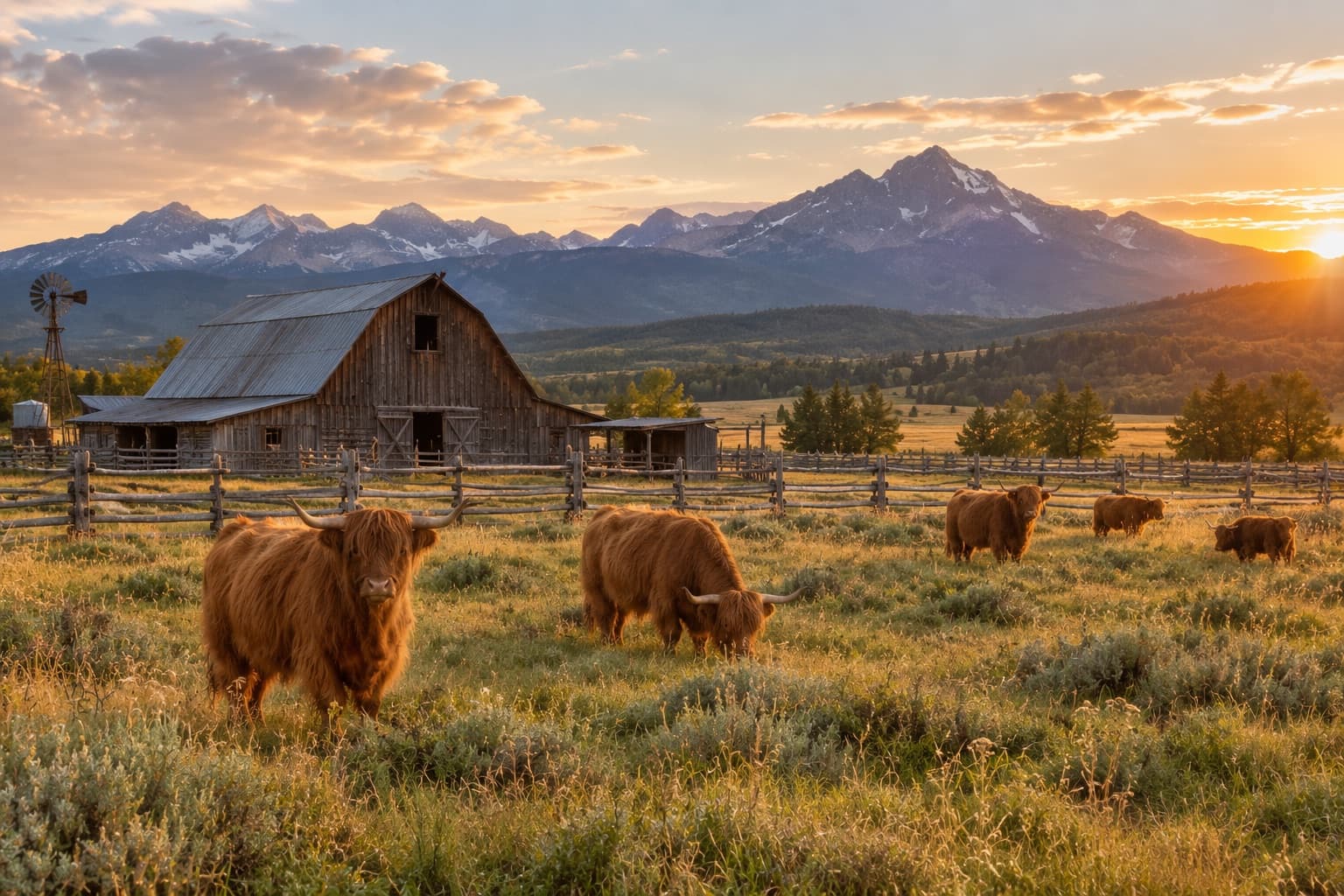
Ask five breeders what a Highland cow costs and you'll get five different answers, and all of them can be right. Price depends on what the animal is, what papers come with it, and what you plan to do with it. This guide breaks down typical asking prices in the U.S. so you can tell a fair listing from an inflated one.
Typical Highland cattle prices at a glance
These are common asking ranges for healthy, well-handled animals. Location, season and individual quality all move the number, so treat them as a starting point rather than a rule.
- Steer calves: roughly $2,500 to $4,500. Steers are the most affordable way into the breed and make excellent pasture companions.
- Bull calves: roughly $2,000 to $5,000. Prices climb for well-bred, registered bull calves with proven parents.
- Heifer calves: roughly $3,500 to $7,000. Future breeding potential is what you're paying for.
- Registered, breeding-quality heifers: $5,000 to $10,000 and up, especially with AHCA fullblood papers and DNA parentage on file.
- Mini Highland calves: $3,500 to well over $13,500. The widest range in the market, and the one that needs the most homework.
For a deeper breakdown of each category, see our Highland cattle cost guide.
What makes one Highland cost more than another
Sex and age are the biggest factors. A heifer that can become a mother cow carries more value than a steer of the same age, and a proven cow with a calf at side usually costs more again.
Registry comes next. An AHCA fullblood animal with DNA-verified parentage sits at the top of the market, HHCA-registered animals follow, and unregistered animals are priced mainly on looks, temperament and frame. If you only want a pasture pet, papers may not matter to you. If you want to breed and sell calves, they matter a lot. Our guide to Highland cattle registries explains the difference.
Frame size is the third factor. Smaller, mini-frame animals sell at a premium, but ask for genetic test results before you pay a mini price. Our post on what mini Highland buyers should know covers why.
Finally, color, halter training and temperament all add value. A calm, halter-started heifer in a less common color like silver or white will usually be priced above a standard red animal of the same breeding.
The costs after the purchase price
The animal itself is often not the largest expense in the first year. Before you buy, budget for:
- Transport, which can run from a few hundred dollars locally to well over a thousand for long hauls.
- Fencing upgrades sized for a large, horned animal.
- Hay for the months your pasture can't carry the animal.
- Loose minerals, fresh water access, and basic shelter or windbreak.
- A vet check at purchase, vaccinations, and routine deworming.
- Registration transfer fees if the animal is papered.
Buy two, not one
Cattle are herd animals, and a single Highland on its own is often stressed and harder to handle. Most experienced owners recommend starting with at least two animals. A heifer paired with a steer is a popular, budget-friendly combination for small acreages.
How to tell if a price is fair
Compare like with like: same sex, similar age, same registry status. Ask for the registration certificate, health records and, for minis, test results before you send any money. A good seller will be happy to provide them. You can browse current Highland cattle for sale with prices, registry and location listed up front on every animal.
Looking for a Highland?
Every listing shows price, registry, date of birth and location up front.
Browse Highland cattle for sale