· Highland Cattle Market Staff
Are Highland Cows Good Pets? An Honest Answer
Highland cows are famously gentle, but they're still large, horned cattle. Here's what it's really like to keep one as a pet.
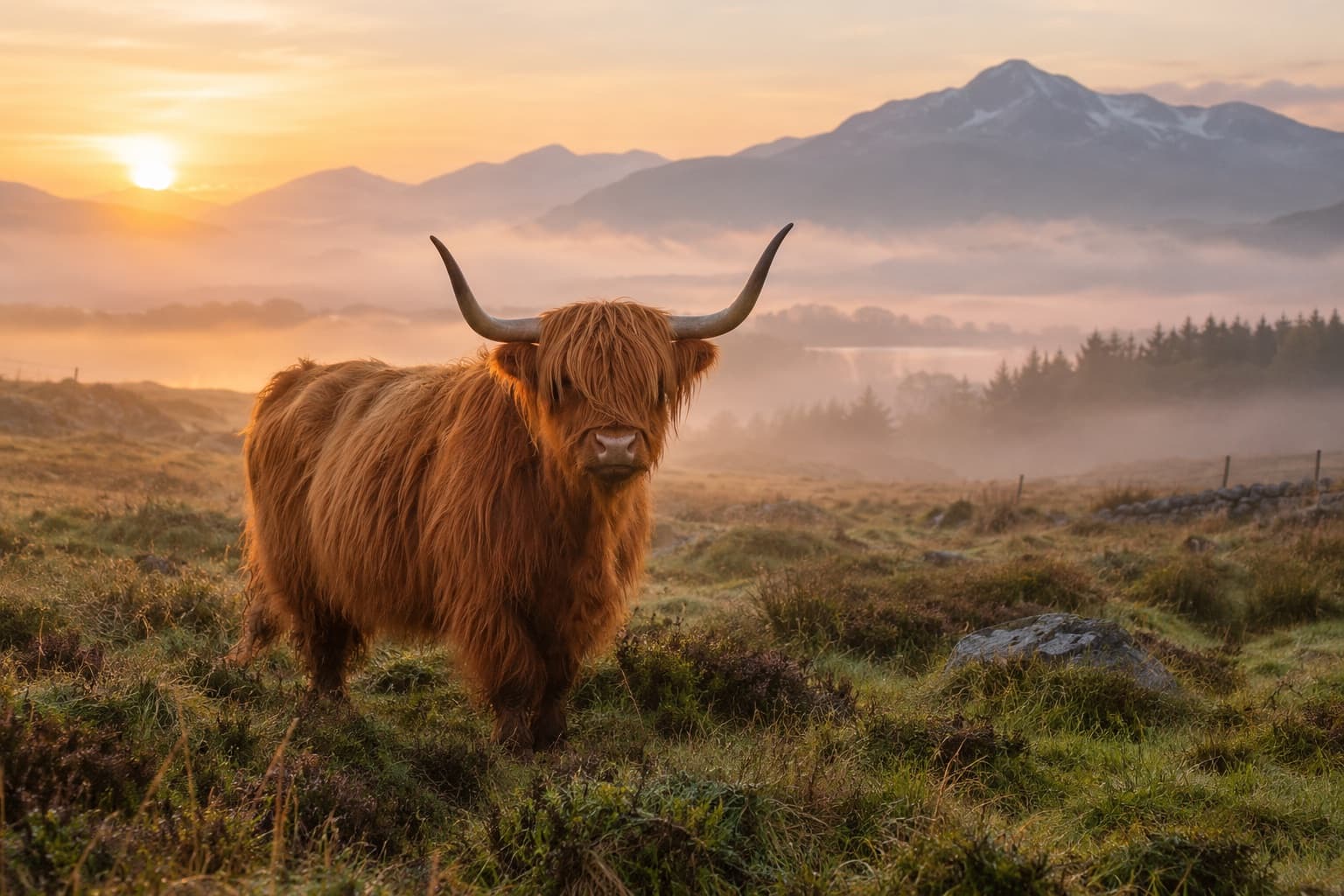
With their long coats and soft faces, Highland cows have become one of the most photographed farm animals online, and plenty of people now want one as a pet. They can make wonderful companions, but it helps to go in with clear expectations.
Why Highlands have a gentle reputation
Highlands are known for a calm, docile temperament, and well-handled animals can become very friendly, coming to the fence and enjoying a scratch. Many owners describe them as easier going than other beef breeds. Our Highland temperament guide goes into what shapes that behavior.
What "pet" really means with a Highland
A Highland is still a large animal. Mature cows commonly weigh around 1,000 pounds or more, and every Highland, male or female, grows a wide set of horns. Even a gentle animal can injure someone by accident, simply by turning its head or stepping sideways in a tight space.
- They are herd animals and are happiest with at least one companion of their own kind.
- They need pasture, hay, fresh water and strong fencing, not a backyard.
- They live a long time, often well into their teens or longer, so they're a long-term commitment.
- Cows with young calves can become protective, even if they're normally friendly.
Which Highland makes the best pet?
For most people, a steer (a castrated male) is the best pet choice. Steers are typically calm, don't come into heat, and avoid the strength and unpredictability of an intact bull. Heifers and cows also make good companions. Bulls are not pets, however friendly they seem as calves.
Smaller, mini-frame Highlands are popular with pet owners because they're easier to handle and need less space. If you go that route, read what mini Highland buyers should know first.
Handling makes the difference
Temperament is partly genetic and partly how an animal is raised. Calves that are halter-started and handled regularly grow into easier adults. When you shop, ask the seller how the animal has been handled and whether you can see it led on a halter.
The bottom line
If you have the land, fencing and patience, a Highland can be a calm, rewarding companion for many years. Start with two, choose a steer or heifer, and buy from a seller who can tell you exactly how the animal has been raised. Browse Highland cattle for sale to see what's available.
Looking for a Highland?
Every listing shows price, registry, date of birth and location up front.
Browse Highland cattle for sale